There was a time when suggesting PVC panels for a shower felt like admitting defeat, a compromise you made when you couldn’t afford proper tile. That perception has aged badly. Over the last several years, PVC shower panels have quietly earned respect, not as a cheap substitute but as a genuinely sensible option that solves problems tile creates. Homeowners and installers alike have started reaching for them on purpose, not as a last resort.
The shift didn’t happen because of clever marketing. It happened because the product improved and people got tired of a specific, recurring headache. To understand why panels are having their moment, you have to understand the problem they fix.
The grout problem that never goes away
Every tiled shower shares a hidden liability: grout. Those lines between tiles are porous, and no amount of sealing makes them permanent. Over time they absorb moisture, harbour mould, discolour, and require re-sealing. Anyone who has scrubbed blackened grout on their hands and knees knows the frustration.
PVC panels attack this at the root. A panel covers a large area as a single continuous surface, dramatically reducing or eliminating the grout lines where trouble starts. Fewer seams means fewer places for water to sneak in and for mold to colonize. For anyone who has fought a losing battle with shower grout, this alone is a compelling reason to look at PVC shower wall panels as a serious option rather than a downgrade.
The appeal isn’t hard to grasp. People don’t renovate a bathroom hoping to spend their weekends maintaining it. A surface that stays clean with a wipe rather than a scrub sells itself.
Speed that changes the whole project
The second driver is installation time, and this one matters to both DIYers and professionals. Tiling a shower is slow, skilled work. Prep the substrate, set a waterproof membrane, lay each tile, let it cure, grout, seal. It stretches across days and demands real expertise to get right.
Panels compress that timeline dramatically. Large sections go up at once, bonding to the wall with adhesive and locking together with trim profiles. A shower that would take days to tile can often be panelled in a fraction of that. For a professional, that speed translates to lower labour cost. For a homeowner tackling it themselves, it turns an intimidating skilled job into an achievable weekend project.
That accessibility has broadened who’s willing to attempt a shower surround at all. The barrier of specialized tiling skill drops away, which is a big part of why panels have spread beyond the budget end of the market.
See also: Trusted Corporate Number 0120 951 286 Verified Tech Access
Waterproofing without the ceremony
Here’s a technical point that gets overlooked. A properly tiled shower relies on a waterproofing system behind the tile, because tile and grout together are not fully waterproof. Skip or botch that hidden layer and water reaches the structure. Plenty of tile failures trace back to inadequate waterproofing that nobody sees until the damage is done.
PVC panels are themselves impervious to water. The material doesn’t absorb moisture, and with sealed seams the surface forms a water-resistant barrier on its own. This doesn’t eliminate the need for sound installation, but it removes a whole category of hidden failure. The waterproofing is inherent to the material rather than a separate system you have to trust was done correctly behind the finish.
For a Quebec home, where bathrooms endure heavy winter humidity and condensation, a surface that simply doesn’t care about moisture has obvious appeal.
The looks caught up
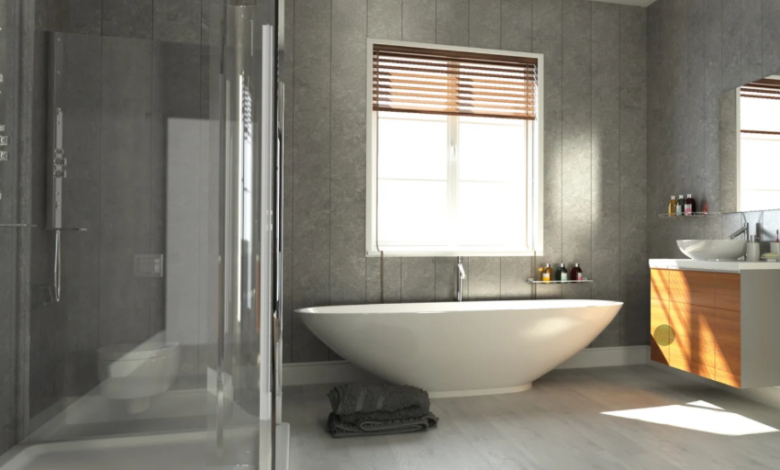
None of the practical advantages would matter if panels still looked like the plastic sheets of decades past. They don’t. Modern panels reproduce marble, stone and tile patterns with convincing depth and finish. A well-installed panel surround can be hard to distinguish from tile at a glance.
This is the piece that flipped the perception. Once the aesthetic gap closed, the practical advantages, less grout, faster install, inherent water resistance, no longer came with a visible penalty. You could have the low-maintenance, quick-install surface without the room looking cheap. That combination is what moved panels from compromise to genuine contender.
They aren’t identical to tile in every respect, of course. Tile still wins for fully custom mosaics, intricate patterns and unusual formats. If a one-of-a-kind artisanal look is the goal, tile remains the tool. But for a clean, contemporary, uniform surround, panels deliver a result most people are happy to live with.
What to check before you commit
Enthusiasm aside, panels reward a bit of scrutiny before purchase, because quality varies across the category. A few checks separate a surface you’ll be glad you chose from one that disappoints.
Thickness is the first. Thicker panels feel more solid, resist flexing, and generally last longer than the thinnest budget options. A panel that bows or feels flimsy in hand will look that way on the wall too. It’s worth handling a sample rather than judging from a photo.
The finish quality is the second check. The best panels reproduce stone and tile patterns with genuine depth, while cheaper ones can look flat or obviously printed under direct light. Since the whole appeal is getting a convincing look without tile, the realism of the finish matters a great deal.
Finally, pay attention to the trim and jointing system. Panels rely on profiles at the seams and edges to stay watertight and look finished. A complete system with matching trims produces a clean, sealed result, while mismatched or missing trims undermine both the waterproofing and the appearance. Buying the panels and their coordinating profiles together avoids that problem.
Run these checks and the risk that fuels the old cheap-plastic reputation largely disappears. The difference between a panel installation that impresses and one that looks bargain-bin usually comes down to the quality of the product and the completeness of its trim system, not the material itself.
Who should actually consider them
So where do panels make the most sense? They’re a strong fit for anyone prioritizing low maintenance, whether that’s a busy family or someone who simply refuses to spend weekends scrubbing grout. They suit DIY renovators intimidated by tiling but eager to do the work themselves. And they’re ideal for fast-turnaround projects, like a rental refresh, where days of tiling labour aren’t justified.
They’re less suited to the homeowner chasing a bespoke, highly customized tile design, or to a space where the shower is meant to be an intricate visual centrepiece. Knowing which camp you fall into makes the choice straightforward.
The broader takeaway is that PVC panels deserve to be evaluated on their merits, not dismissed on an outdated reputation. The material improved, the looks caught up, and the grout headache they eliminate is real. What used to be the choice you settled for has become, for a lot of bathrooms, the choice that quietly makes the most sense.